Today, logistics has shifted lanes from just moving freight to embracing pervasive artificial intelligence technology solutions, modernization, and logistics automation to build intelligent ecosystems that connect shippers and carriers seamlessly. Every route, shipment, and truckload is a highly calculated move. With AI-driven automation, logistics leaders are now transforming supply chains with precision, agility, and resilience.
To dive deeper into this subject, we recently undertook a study amongst leaders and veterans of logistics companies. The research reveals a clear trend: the industry is moving from isolated solutions to interconnected AI ecosystems. These systems span from the first mile to the last, optimizing everything from demand forecasting to fleet utilization. What’s particularly interesting is that 28% of companies are already pushing the boundaries further, leveraging AI to revolutionize transit storage planning and warehouse utilization optimization, mirroring advancements also seen with artificial intelligence in logistics practices.
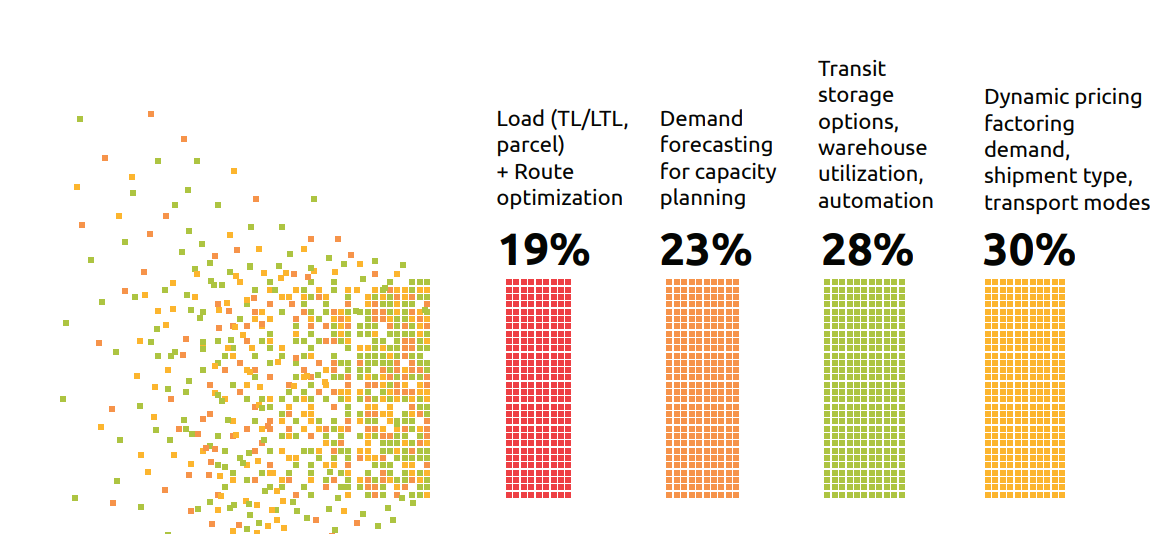
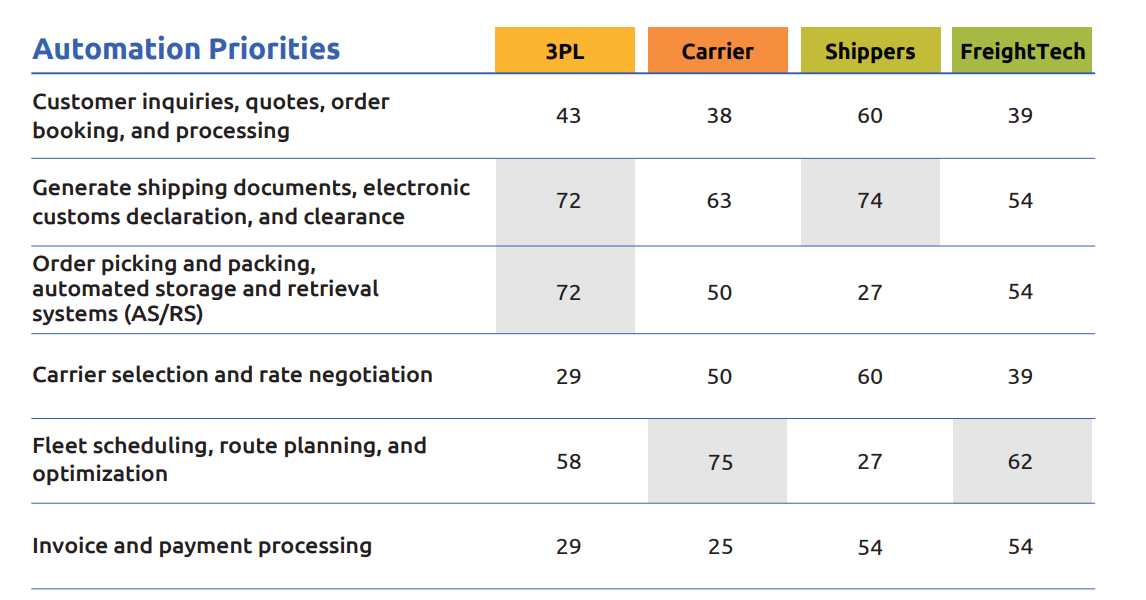
Further analysis revealed that 86% of 3PLs chose advanced algorithms to compute optimal shipping routes and costs as part of their top three priorities. Similarly, 88% of carriers prioritize using AI for fleet optimization. If you’re not leveraging these tech advancements, you’re already falling behind.
Let’s dive in and see how AI-driven automation innovations in logistics are creating value and reshaping the future.
Re-Imagine Logistics with AI-Driven Automation
AI-driven logistics software development by 3PLs and freight marketplaces seamlessly connects shippers and carriers, ensuring smarter load allocation and operational excellence. This transformative technology is setting new standards for efficiency and innovation across the logistics industry.
Smarter Load Allocation: Minimize Empty Miles and Maximize Efficiency
AI-powered logistics platforms are transforming traditional freight operations into intelligent ecosystems. Freight marketplaces and digital freight marketplaces are leading this charge, leveraging predictive analytics to optimize load allocation and reduce inefficiencies. Our research shows that 86% of 3PLs are leveraging deep tech to revolutionize how freight moves across networks.
These intelligent systems go beyond matching loads—they create value. AI platforms are rewriting the logistics playbook, integrating historical data, real-time signals, and predictive analytics to preempt disruptions and optimize decisions. The results are game-changing. For shippers, AI-powered forecasting slashes supply chain errors by as much as 50% (as highlighted by McKinsey), improving delivery reliability, inventory accuracy, and reducing stockouts. A 65% boost in product availability translates directly into happier customers and stronger market positions.
Carriers reap equally impressive benefits. A 5-10% reduction in warehousing costs means more efficient cross-docking and transit storage, while 88% of carriers prioritize AI for fleet optimization—because it delivers consistent savings where it matters most.
The real magic, however, lies in how AI evolves. With every shipment, it learns carrier preferences, seasonal trends, and lane behaviors, refining its algorithms to account for factors like facility ratings, driver detention patterns, and weather risks. This intelligence allows platforms to act strategically—predicting capacity crunches, tweaking routes, and adjusting pricing dynamically to ensure both shippers and carriers gain a competitive edge.
Take Convoy, for example. Their Automated Reloads Program has slashed empty-mile emissions by 45%, bundling shipments to boost sustainability and cut costs. Even more impressive, their 100% automated load matching in top US markets demonstrates how AI-driven logistics automation transforms traditional freight matching into a smart, efficient, and environmentally friendly advantage.
Automation by Carriers: Driving Efficiency and Profitability
Carriers are at the cutting edge of logistics automation, adopting advanced AI technologies to optimize operations and reshape the way freight is managed and delivered. Here’s how modern carriers are pushing boundaries:
- Next-Gen Fleet Optimization: Beyond simple route planning, carriers are now leveraging dynamic AI models that integrate live traffic data, weather forecasts, and fuel pricing trends to adjust routes in real time. This level of optimization reduces idle times and lowers emissions, aligning with sustainability goals.
- Predictive Maintenance 2.0: IoT-enabled sensors are evolving into self-learning systems that monitor vehicle health and predict multi-component failures. These systems factor in variables like road conditions and driver behavior, allowing carriers to schedule proactive maintenance and extend asset lifespans.
- Autonomous Dispatch Systems: Carriers are embracing autonomous dispatch platforms that integrate machine learning to predict shipment delays and proactively reassign loads. These systems enhance operational fluidity and ensure better resource allocation, even in high-demand scenarios.
- AI in Capacity Forecasting: Advanced AI tools analyze seasonal trends, lane-specific demands, and historical data to provide carriers with precise capacity forecasting. This capability enables carriers to stay ahead of market fluctuations and optimize asset deployment for peak efficiency.
J.B. Hunt’s Carrier 360° platform uses predictive analytics to automate load matching and dynamic pricing, ensuring shippers and carriers achieve cost-effective and timely deliveries. The platform’s integration of AI-driven automation tools has set a benchmark for efficiency and profitability in the industry.
By leveraging these cutting-edge technologies, carriers are no longer just participants in the logistics ecosystem; they’re becoming innovators, driving efficiency, profitability, and sustainability across the supply chain.
Redefining Efficiency: Process Automation in Logistics
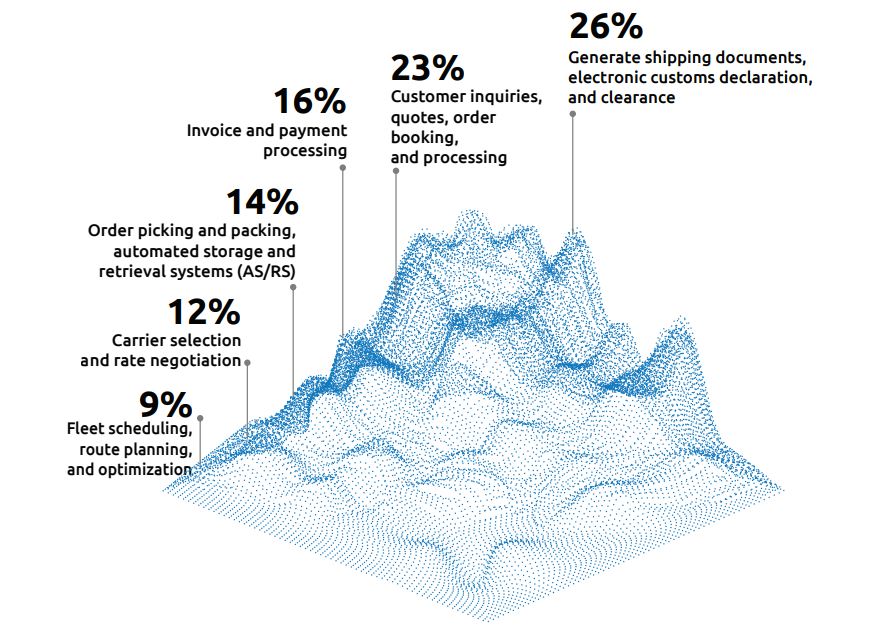
AI-driven automation by 3PLs is revolutionizing routine operations into seamless intelligent workflows. According to our research, 65% of logistics companies prioritize automation of documentation and freight forwarding processes, realizing the untapped efficiency even in basic operations.
What’s interesting is where 3PLs are placing their bets. A significant number – 72% of 3PLs prioritize automated shipping manifests and electronic documentation. The real breakthrough lies in intelligent systems that continuously learn and evolve. Industry leaders are leveraging tools that can:
- Autonomously manage documentation exceptions with minimal human intervention.
- Predictively generate custom forms by analyzing historical patterns.
- Dynamically adjust routing to align with real-time compliance requirements.
The crucial differentiator? Depth of integration. Modern AI-driven logistics automation platforms allow seamless coordination across entire operations, that goes beyond task-level automation.Meanwhile, AI-powered warehouse automation and TMS in supply chain are transforming the industry. Autonomous robots, like the ones used by Amazon and Alibaba, pick, sort, and pack goods with unparalleled precision and speed. AI-driven warehouse management systems (WMS) examine inventory patterns, optimize space utilization, and boost productivity.
Maersk’s UK warehouse uses Berkshire Grey’s AI-powered Robotic Shuttle Put Wall System, tripling sorting speeds and boosting batch picking efficiency by 33%. This innovation improves supply chain flexibility and resilience, highlighting the capabilities of AI-driven automation.
Century Supply Chain Solutions demonstrates how AI can transform communication-heavy workflows. They automated the parsing of carrier updates from emails and documents, allowing real-time integration into their VIZIV platform. This has reduced manual effort and accelerated booking confirmations, ensuring supply chains run smoothly and efficiently.
Companies like Dorman are using AI-driven logistics automation platforms to revolutionize warehouse operations. By integrating fulfillment AI and robotics, Dorman reduced forklift labor by 30%, saving $4.2 million over three years, and halved worker travel time while simplifying associate onboarding. These advancements highlight how automation transforms routine operations into intelligent, efficient workflows.
Digital Documentation and Compliance
For 3PLs, regulatory compliance and documentation are essential, but AI takes these processes to a new level. By integrating machine learning into compliance workflows, 3PLs can proactively detect errors in shipping manifests and customs forms, helping avoid costly delays and penalties.
AI-powered compliance engines, particularly in cross-border logistics, dynamically adapt to shifting international trade regulations, adjusting to new tariffs or rerouting requirements in real time. These intelligent systems ensure a smooth cross-border experience, sparing shippers from regulatory headaches and time-consuming audits. Carriers, meanwhile, see reduced downtime at ports and border crossings, enhancing operational efficiency.
A prime example is Flexport, a tech-enabled 3PL that automates compliance and documentation processes. Their platform streamlines customs clearance, shipment tracking, and regulatory updates, cutting down processing times and making cross-border shipping faster and more efficient.
Automated Communication Systems: Enhancing Logistics Automation
The future of automated communication in logistics automation lies in context-aware systems designed to handle the intricacies of shipment workflows. For instance, AI can identify communication bottlenecks, such as unanswered queries, and autonomously escalate issues to human managers before they disrupt SLAs.
In transportation operations, AI systems can learn the type of information carriers need throughout the load lifecycle—like weather or traffic impacts—and deliver it at the right time via the carriers’ preferred channels. By analyzing behavioral and contextual data, AI-driven automation enhances service levels and enables precise route optimization, fostering a more efficient logistics ecosystem.
Some 3PLs now integrate AI communication systems into Transportation Management Systems (TMS) and Customer Relationship Management (CRM) platforms, facilitating real-time collaboration through shared dashboards. This reduces friction caused by manual updates and accelerates issue resolution, ensuring fewer disruptions for carriers and more reliable delivery timelines for shippers.
The impact? Improved trust, transparency, and stronger partnerships across the supply chain.
Smart Scheduling & Dispatch: Adapting in Real Time
Static systems can no longer meet the demands of high-volume logistics hubs. The next frontier lies in adaptive scheduling algorithms that synthesize live traffic data, weather disruptions, and even fluctuating warehouse workforce availability.
With AI scheduling tools, 3PLs can dynamically adjust appointment slots in real time, alerting carriers to optimized time windows when delays occur. For instance, IoT-enabled warehouses can send automated alerts to reschedule appointments if unloading docks are unexpectedly backed up.
The impact is twofold: carriers save time and reduce detention fees, while shippers benefit from smoother inventory flows and fewer delays, all thanks to automation in logistics.
Data Analytics and Predictive Intelligence: The Backbone of AI-Driven Logistics Automation
Data powers the innovations driving logistics automation platforms, offering predictive insights that optimize decisions across the supply chain.
Freight marketplaces and 3PLs are heavily investing in AI to sustain tech differentiation and provide predictive intelligence that connects shippers and carriers efficiently.
Dynamic Pricing and Procurement: AI in logistics transforms pricing strategies by analyzing market trends, demand patterns, and competitor activity to recommend optimal pricing models. AI-powered procurement tools streamline vendor selection and purchasing, boosting operational efficiency and profitability. For example, Procter & Gamble uses AI to optimize procurement processes, cutting costs and ensuring timely delivery.
Reverse Logistics for Sustainability: AI-powered predictive analytics is transforming reverse logistics. By analyzing return patterns, AI tools help companies predict demand for refurbished goods, optimize warehouse allocation for returned items, and reduce costs in the return process. For example, AI can determine the most efficient paths for returns, ensuring that products are restocked or disposed of in a cost-effective and environmentally friendly manner.
By integrating reverse logistics workflows into logistics automation platforms, companies ensure a seamless, cost-effective process for handling returns, improving customer satisfaction and sustainability metrics.
Market Rate Prediction and Optimization: AI-powered platforms analyze market trends and historical pricing data to predict freight rates, helping shippers and carriers make more informed decisions.
Route Optimization Intelligence: By leveraging GPS data, real-time traffic updates, and weather forecasts, AI charts the fastest, most cost-effective routes, minimizing transit times and fuel consumption. Platforms like C.H. Robinson’s Navisphere® Vision integrates IoT data and predictive analytics to provide real-time visibility and mitigate disruptions before they occur.
Performance Analytics: With advanced analytics tools providing insights into key performance metrics, 3PLs and carriers can identify inefficiencies and improve service quality.
Integration with Existing Systems: Unlocking New Capabilities
Today, integration goes far beyond API plug-ins. Leading 3PLs adopt modular AI platforms that enable shippers and carriers to layer advanced capabilities—like predictive analytics and real-time visibility—onto legacy systems. Increasingly, these innovations also intersect with artificial intelligence services for business, bridging logistics and production systems for greater end-to-end optimization.
Now, some platforms even offer ‘data clean rooms’ allowing siloed carrier and shipper data to be securely integrated for collaborative analytics, such as co-optimizing lane capacity or pricing strategies. This ensures confidentiality while improving decision-making across the board.
Shippers gain access to granular data to improve demand forecasting, while carriers uncover insights into underutilized routes or lanes. Strategic collaboration enabled by these integrations reduces costs and maximizes efficiency for all stakeholders, driving the evolution of freight smart logistics.
By adopting these advanced strategies, 3PLs are moving beyond basic tech capabilities to become value-driven partners in the logistics ecosystem. The focus isn’t just on operational excellence but also on delivering actionable intelligence and strategic insights to shippers and carriers.
Logistics Automation Delivers Value Across the Ecosystem
- For 3PLs: Operational Excellence
AI eliminates manual inefficiencies, optimizing resources to deliver premium services at competitive prices. - For Shippers: Visibility and Reliability
Real-time tracking and transparent processes empower shippers with better control, reducing unpredictability in the supply chain. - For Carriers: Smarter Logistics, Bigger Profits
AI-driven logistics automation reduces empty miles, enhances route optimization, and boosts utilization rates, enabling carriers to drive higher profitability.
Digital Readiness Trends in the Industry
Digital readiness in logistics varies widely across stakeholders. Tech-driven 3PLs and FreightTech companies are leading the charge in digital transformation, leveraging advanced technologies to drive innovation and differentiation. Meanwhile, Carriers face budget and resource constraints, resulting in slower adoption rates and a stronger focus on cost-cutting technologies.
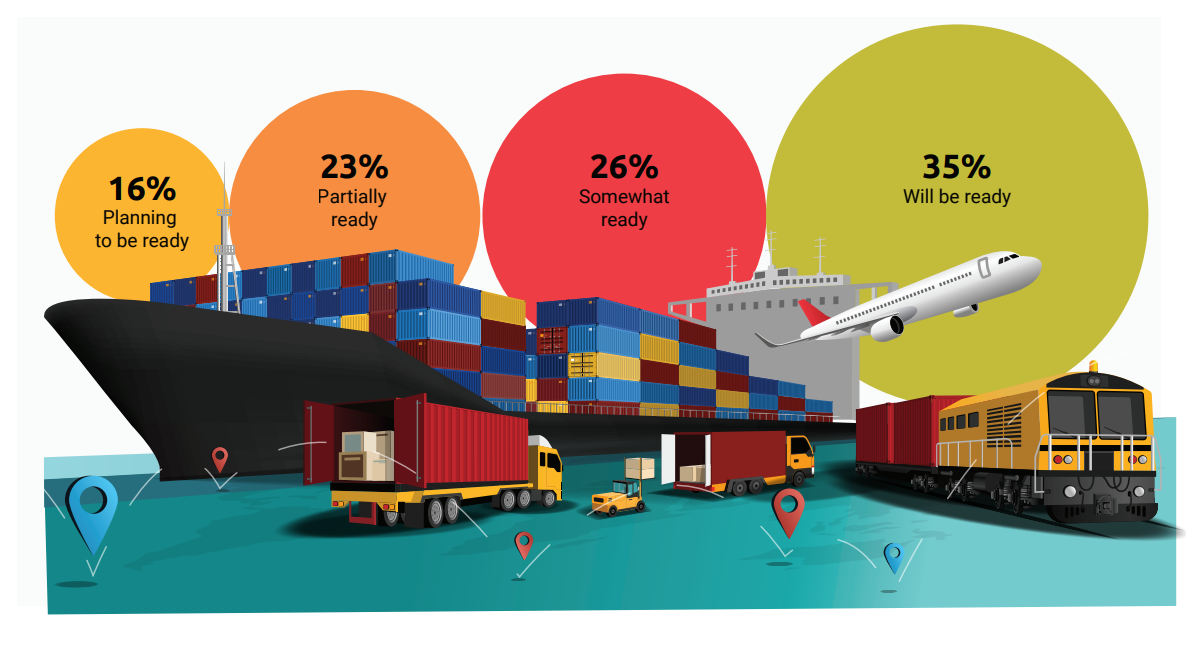
Investment priorities also reflect these differences. While Carriers prioritize solutions that lower operational costs and enhance efficiency, 3PLs and software providers are investing in deep tech innovations to gain a competitive edge and enhance their service offerings.
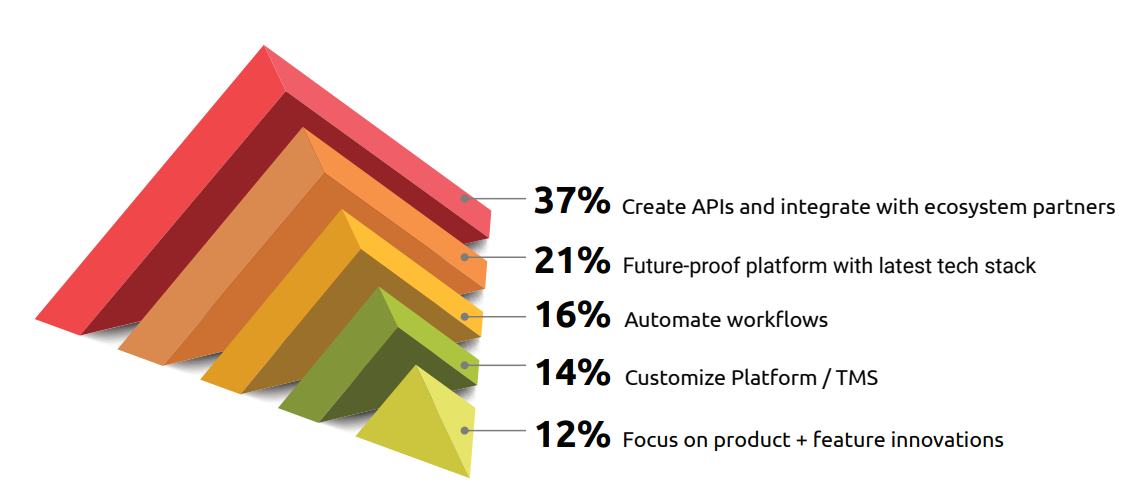
Master AI in Logistics: A Blueprint for Success
Implementing automation in logistics is a long-term strategy that prioritizes adaptability and precision. Begin by identifying high-impact areas such as load matching and route optimization, where AI can deliver immediate value.
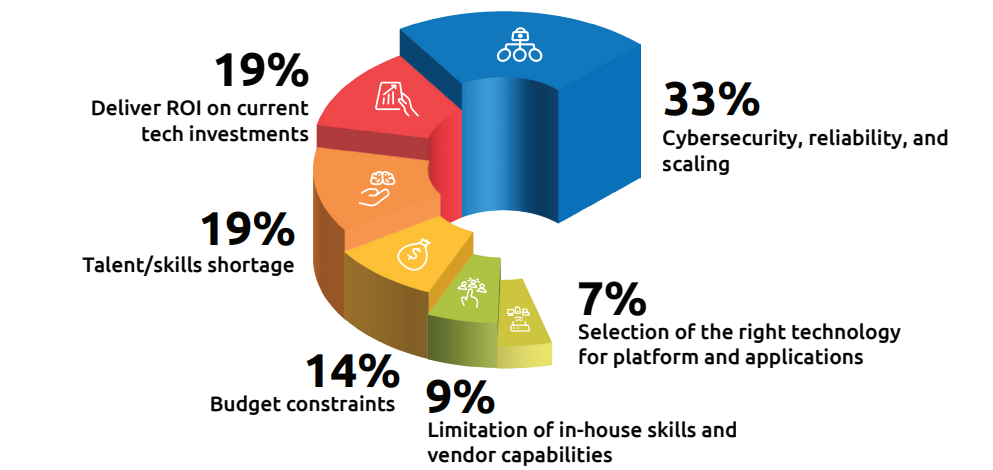
The ultimate game-changer? Nurturing a culture of experimentation. Encourage teams to test, adapt, and refine processes to stay agile in a rapidly shifting logistics environment. Addressing resistance via effective change management ensures smooth transitions and positions businesses for long-term success in logistics automation software. Leaders who embrace logistics automation now will set the benchmarks for tomorrow.
Future Outlook: AI-Driven Automation in Logistics with Trigent AXLR8 Labs
The formula is simple – to stay ahead and retain your edge in logistics – you need to embrace freight smart logistics and AI. The future begins here and AI is taking the wheel. Digital freight marketplaces and the likes which are already on the scene have been shifting the industry and establishing a smarter, more connected ecosystem.
Carriers will be key architects of the logistics future, driving transformation through automation in logistics and next-generation technologies:
- Autonomous Fleet Management: AI-powered autonomous trucks and drones are set to revolutionize last-mile delivery, enabling round-the-clock operations with unparalleled efficiency.
- Sustainability Through Optimization: With AI-driven fleet management and predictive maintenance, carriers can significantly reduce emissions and minimize operational waste, aligning with global sustainability initiatives.
- Dynamic Collaboration: Advanced AI platforms will foster seamless, real-time collaboration between carriers and shippers, ensuring agility in adapting to market fluctuations and unforeseen disruptions.
By leveraging these technologies, carriers will not only enhance operational efficiency but also redefine their role as innovators in the logistics ecosystem.
This isn’t about surviving disruption; it’s about gearing up to thrive in an AI-first world. AI-driven logistics automation is transforming the industry, creating smarter, more efficient supply chains. From shippers gaining control and visibility to carriers optimizing routes and boosting revenues, the value is clear.In this AI-driven transformation, Trigent AXLR8 Labs is redefining transportation and logistics automation, delivering specialized software solutions that enhance efficiency, agility, and resilience. From custom Transportation Management Systems (TMS) to supply chain optimization, Trigent accelerates innovation with pre-built code libraries and flexible frameworks designed for seamless integration and faster time to market.
With automation extending across shipment pick-up, sorting, multimodal transportation, warehousing, and last-mile delivery, businesses can leverage Real-Time Track and Trace Visibility Platforms (RTTVP), Blind Handoff message brokers, crowdsourced delivery models, and driver wellbeing solutions to build adaptable, future-ready logistics ecosystems.
Trigent’s expertise spans AI-driven decision accelerators for dynamic pricing and route optimization, along with connectors for 190+ carriers and multiple TMS solutions. By integrating these technologies, logistics providers enhance visibility, streamline operations, and stay ahead of market shifts, ensuring they lead in an increasingly digital and AI-powered industry.